
Threat Intelligence
Dark web monitoring services: finding credential leaks before attacks happen
Automated surveillance of hidden forums reveals stolen credentials long before attackers deploy payloads against your network.
Threat Intelligence coverage from Phish Herald holds 22 articles, 21 of them reference guides. The newest was published on October 19, 2026. New stories are added as soon as they are confirmed, from more than 150 sources checked as often as every 45 seconds. Each story lists its sources. Primary sources we follow for this section include CISA Cybersecurity Advisories and FIRST: Forum of Incident Response and Security Teams.
Automated surveillance of hidden forums reveals stolen credentials long before attackers deploy payloads against your network.

Default installations leak your identity through exit relay sniffing, operational habits, and local OS artifacts rather than cryptographic flaws.
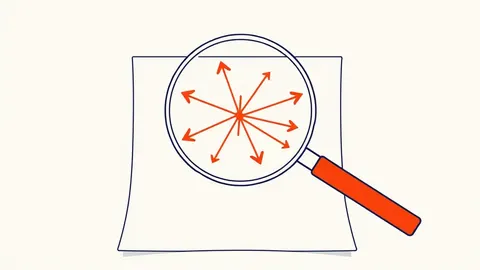
Tracking how attackers behave rather than what tools they use allows teams to detect threats that change their digital fingerprints daily.

Reconnaissance occurs silently on your internal networks long before any external perimeter breach, rendering traditional perimeter alerts useless against modern adversaries.
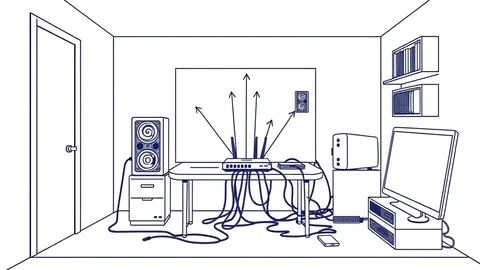
The Unified Kill Chain exposes the hidden gap between initial access and lateral movement, revealing where small teams waste resources on perimeter alerts.
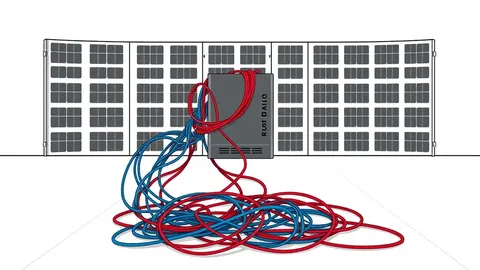
DCSync attacks often succeed because administrators grant excessive replication rights to service accounts that should only hold limited permissions.
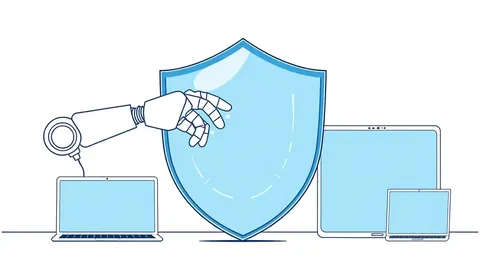
Breach and attack simulation automates controlled cyber intrusions to prove your security stack blocks real threats, not just theoretical ones.
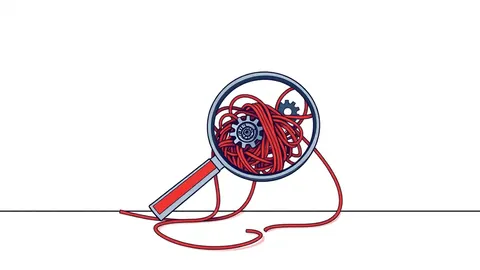
Static indicators of compromise often fail against modern adversaries because they only record what happened, not how the attacker achieved their goal.

Advanced persistent threats bypass perimeter defences by mimicking legitimate traffic and remaining dormant for months before exfiltrating data.

Monitoring hidden networks shifts security from reactive incident response to proactive threat containment before data leaves your perimeter.

Security teams face unprecedented noise as suspected Iranian VPN-over-DNS traffic generates massive passive DNS data during military operations.

Alert fatigue causes operators to miss genuine threats because the sheer volume of noise desensitises them to critical signals, turning your defence tools into liabilities.

Most organisations measure control existence rather than control effectiveness, leaving critical detection gaps invisible to standard compliance checklists.
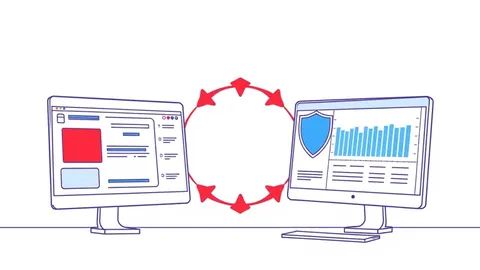
Purple teaming is not a single event but a continuous feedback loop that aligns attack simulation with detection engineering to close specific security gaps.
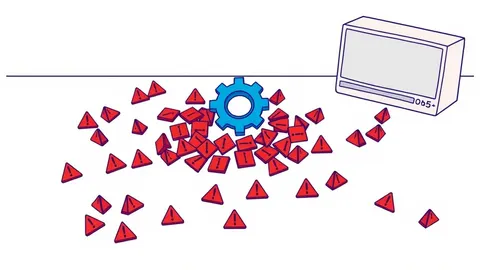
Most alerts fail because analysts check symptoms before verifying the underlying mechanism, wasting hours on noise that masks real compromise.
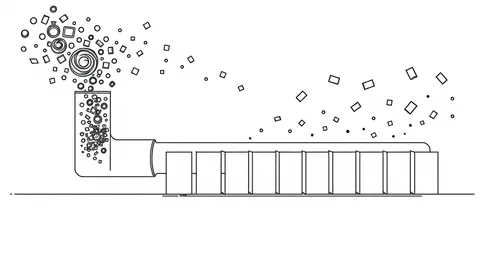
Endpoint telemetry transforms raw binary noise into structured intelligence, yet the collection phase often discards the context needed to prove intent.

Most organisations fail at user and entity behaviour analytics because they treat it as a monitoring tool rather than a modelling exercise that requires continuous baseline refinement.
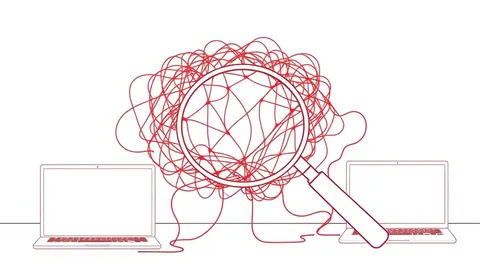
Incident response reacts to confirmed alerts, while threat hunting proactively searches for hidden adversaries that bypassed existing detection controls.
State-sponsored groups often mimic criminal gangs, use standard commercial tools, and target supply chains rather than launching direct, Hollywood-style assaults on your core infrastructure.

YARA rules provide high-fidelity detection by matching structural patterns in files and memory, but they require constant tuning to avoid performance degradation and alert fatigue.

Network detection tools often miss insider threats because they cannot read encrypted payloads without breaking trust, creating a blind spot in your perimeter.
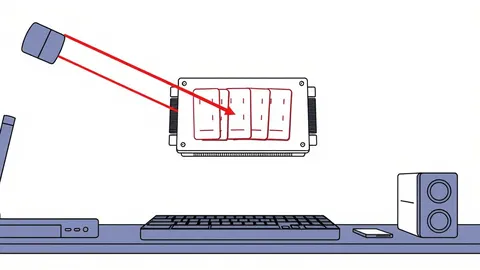
Kerberos tickets are often stored in memory rather than on disk, meaning traditional endpoint scanning frequently misses the primary attack vector for lateral movement.