Vulnerabilities
Detecting npm Package Vulnerabilities in Your Supply Chain
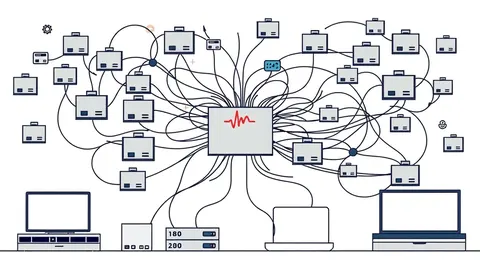
Most supply chain attacks bypass signature checks by exploiting legitimate dependencies, meaning you must monitor for behavioural anomalies rather than just known bad hashes.
Vulnerabilities coverage from Phish Herald holds 43 articles, 26 of them reference guides. The newest was published on October 16, 2026. New stories are added as soon as they are confirmed, from more than 150 sources checked as often as every 45 seconds. Each story lists its sources. Primary sources we follow for this section include CVE Program and OWASP Top Ten.
Most supply chain attacks bypass signature checks by exploiting legitimate dependencies, meaning you must monitor for behavioural anomalies rather than just known bad hashes.

Patch prioritisation separates urgent security fixes from routine updates by analysing exploitability and asset exposure, preventing system downtime caused by indiscriminate patching.

Obfuscation does not secure secrets, and build-time injection fails when infrastructure pipelines lack strict isolation controls.

Remote code execution flaws in Apache Struts often bypass perimeter defences because the framework processes malicious data before standard input validation occurs.

Misconfigured split tunnelling and weak certificate validation often expose internal networks far more than the appliance software itself ever could.
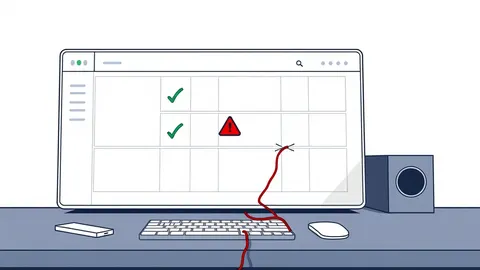
Tracking vulnerability remediation fails when teams confuse administrative closure with actual risk reduction, leaving hidden exposures in production systems.

Zero-click exploits bypass user interaction entirely, meaning the first sign is often anomalous system behaviour rather than a visible alert or notification.

Most IOS XE flaws manifest through subtle telemetry anomalies rather than obvious system crashes or immediate network outages, requiring persistent monitoring.

Firmware updates resolve low-level hardware flaws that application patches cannot touch, yet most teams ignore the supply chain risks inherent in binary blobs.

Default GraphQL servers expose your entire schema and allow deep nesting, turning every query into a potential denial-of-service vector before you write a single line of validation code.
Standard browser protections now block most clickjacking attempts, but legacy interfaces and embedded frames remain vulnerable to user interface redress attacks.

Threat modeling shifts security from reactive patching to proactive architecture, exposing flaws in logic and data flow before code is written or deployed.

Web application firewalls filter traffic based on signatures, not intent, leaving logic flaws and authenticated attacks largely invisible to standard rule sets.
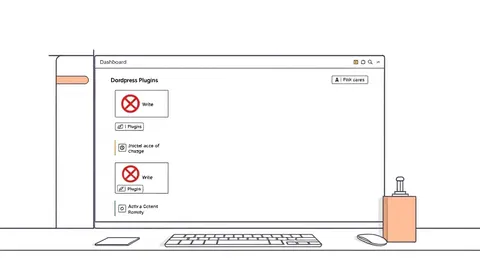
Removing write access for plugins reduces attack surface more effectively than installing additional security layers or scanning tools.

Open redirects bypass browser security checks by masquerading as trusted domains, allowing attackers to steal session tokens or facilitate phishing campaigns without hosting their own infrastructure.

Abandoned GitHub repository names allowed attackers to hijack package publishing trust, risking millions of downloads.

A critical vulnerability in Quarkus REST Data Panache allows attackers to bypass security controls by exploiting how the code generator handles method properties.
A critical flaw in Privasys ra-tls-clients allowed impersonation of attested endpoints. Version 0.11.0 resolves the issue by enforcing strict platform identity checks.

Unauthenticated attackers can reset passwords for registered users in Thirty Bees 1.7.0 via guest checkout tokens, posing a critical risk.

CERT-EU warns self-managed GitLab users to upgrade immediately after a CVSS 10.0 flaw allows unauthenticated remote code execution.

Web cache poisoning allows attackers to serve malicious content to thousands of users by tricking servers into storing and re-serving tampered responses.

Broken access control is a broad category of failure, while IDOR is a specific object-level flaw that often hides inside larger permission gaps.

High-severity CVE-2026-23870 allows attackers to cause denial of service in React 19 deployments without authentication or user interaction.

Organisations should review the latest Wordfence Intelligence data on WordPress flaws disclosed between 28 September and 4 October 2026.