Data Breaches
California students’ disability and test data stolen via ETS contractor breach
Hackers accessed millions of student records through compromised login details at a testing service contractor, exposing sensitive educational information.
Data Breaches coverage from Phish Herald holds 23 articles, 16 of them reference guides. The newest was published on October 20, 2026. New stories are added as soon as they are confirmed, from more than 150 sources checked as often as every 45 seconds. Each story lists its sources. Primary sources we follow for this section include FTC: Data Breach Response, A Guide for Business and Have I Been Pwned.
Hackers accessed millions of student records through compromised login details at a testing service contractor, exposing sensitive educational information.
Federal investigators suspect ransomware negotiators aided the ShinyHunters group in pressuring victims after the theft of sensitive FBI recruitment data.
Current and former residents face exposure of sensitive identity records after an international group accessed state motor vehicle systems using stolen credentials.

A small fraction of OpenCode Console users face potential exposure of third-party API keys after an unauthorised access incident involving a legacy system.
A Delaware jury ruled Arm breached its agreement with Qualcomm, awarding nominal damages but triggering potential five-year royalty withholding.
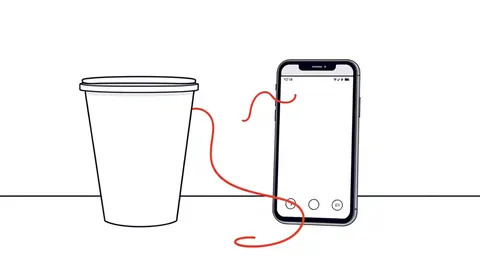
The fast-food chain confirmed an outsider accessed its member management system, leaking personal details for millions of users in Japan.
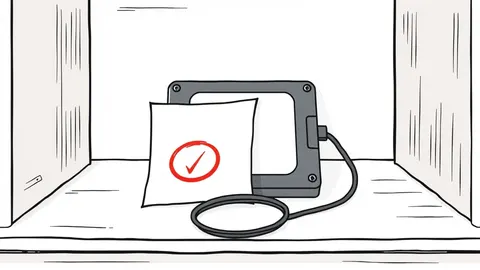
Organisations lose data not because backups fail to run, but because the recovery process lacks verification and isolation from active threats.
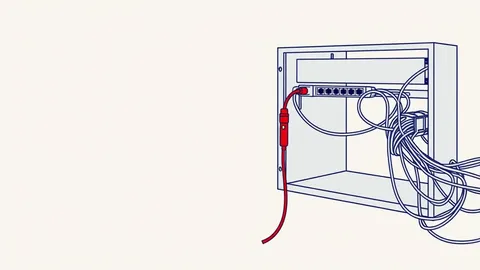
Most data leaks occur because configuration errors leave ports open, not because encryption algorithms fail or hackers break mathematical barriers.
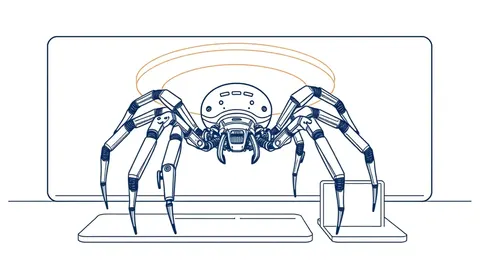
Automated bots harvest your public data faster than manual attackers, turning your own marketing content into a target for credential stuffing and social engineering.
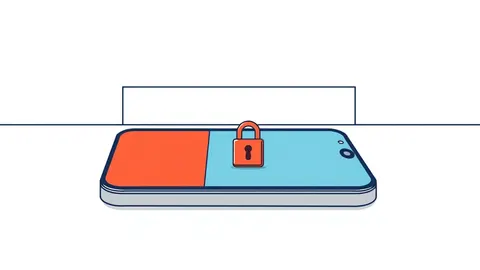
Mobile device management examples reveal that policy enforcement often fails when devices bridge personal and professional data without clear technical boundaries.

Most account takeover fraud detection fails because teams monitor login success rates while attackers rely on credential stuffing to bypass standard alarms.

An IT firm’s authorised access to Denmark’s central registry was abused through a simple password, exposing data for millions of citizens.
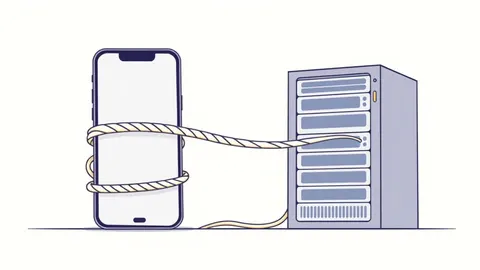
You remain liable for cardholder data breaches even if you outsource processing to a third-party payment gateway or cloud provider.
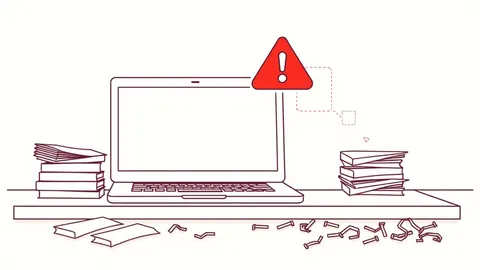
Attackers rarely break into tax systems directly; they steal credentials from unrelated breaches and use them to file returns before the legitimate taxpayer notices.
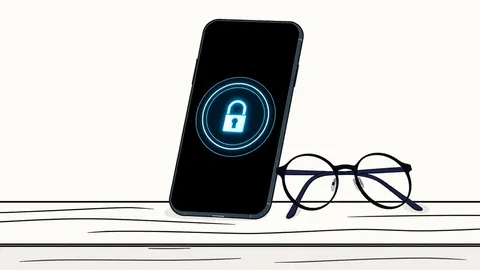
Identity theft protection fails when it relies solely on passwords, as attackers exploit the gap between authentication and authorisation in modern systems.

Visibility controls do not equal security, and internal permissions often fail when storage moves to public cloud infrastructure without reconfiguration.
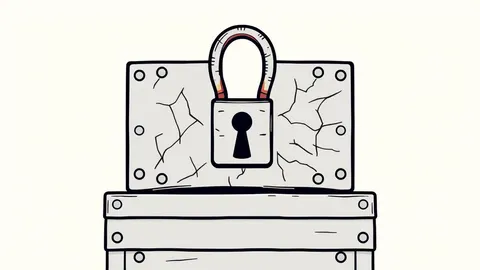
Salting prevents pre-computed attacks but fails to stop real-time cracking if the underlying hashing algorithm lacks deliberate computational resistance.
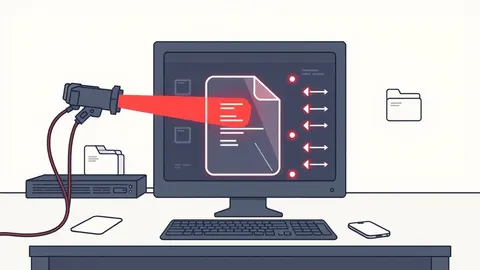
Most organisations monitor only configuration files, leaving the executable code that attackers modify to bypass detection completely unwatched.

Most protected health information breaches stem from misconfigured access controls rather than external hackers, requiring rigorous internal auditing.
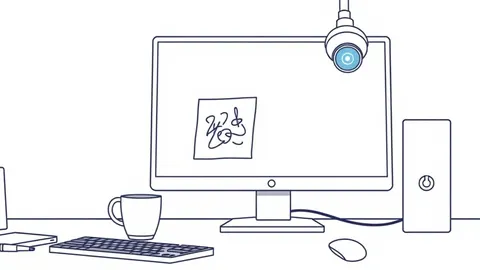
Most accidental disclosures fail because human error bypasses automated security controls that assume users act with perfect rationality and intent.
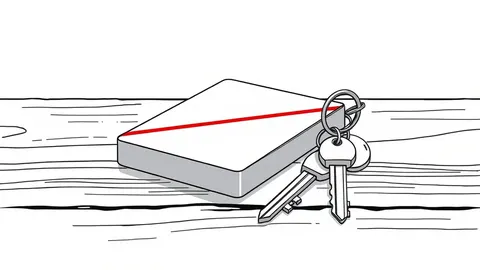
Full disk encryption protects data at rest but fails to prevent breaches caused by compromised credentials or unencrypted network traffic.

Most organisations focus on their own perimeter, yet the weakest link is invariably the supplier who holds your keys but not your standards.
Most database activity monitoring fails because teams configure alerts for every query, creating noise that hides the actual theft of sensitive records.