Cloud Security
What is SaaS security: controlling risk in shared environments
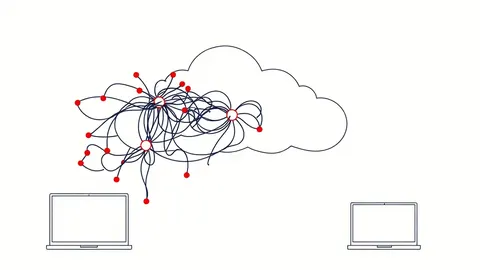
SaaS security shifts responsibility from infrastructure to configuration, meaning most breaches stem from mismanaged permissions rather than software vulnerabilities.
Cloud Security coverage from Phish Herald holds 20 articles, 17 of them reference guides. The newest was published on October 14, 2026. New stories are added as soon as they are confirmed, from more than 150 sources checked as often as every 45 seconds. Each story lists its sources. Primary sources we follow for this section include CIS Benchmarks and Kubernetes: Security Concepts.
SaaS security shifts responsibility from infrastructure to configuration, meaning most breaches stem from mismanaged permissions rather than software vulnerabilities.
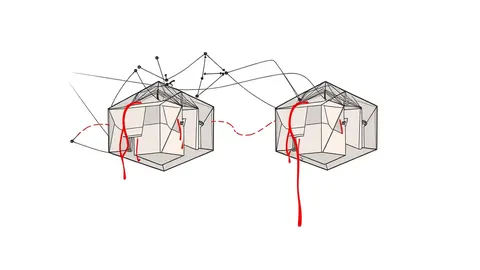
Misconfigured sidecars often expose internal traffic to the internet, turning your service mesh into an unauthorised data exfiltration channel rather than a security boundary.
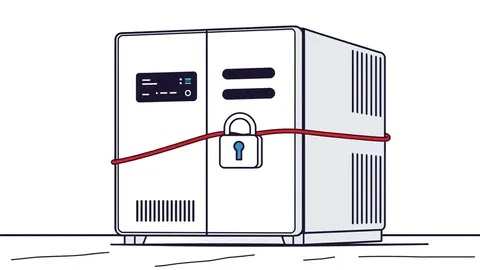
Public access blocks fail when service accounts bypass user controls, making least-privilege policies the only reliable defence against accidental data exposure.
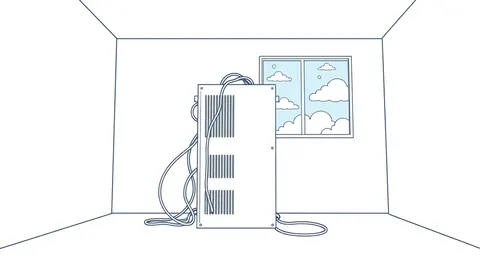
Most cloud data theft occurs through legitimate user accounts and standard API calls, bypassing traditional perimeter defences entirely.
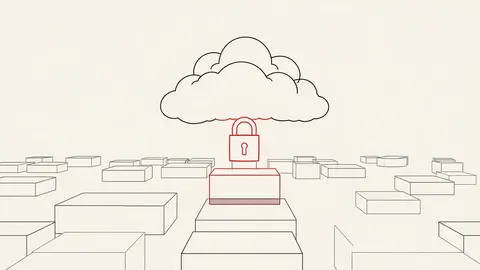
Least privilege in the cloud fails when teams treat permissions as static assets rather than dynamic, auditable constraints that require continuous verification.

Multi-region failover is a complex engineering discipline, not a simple backup switch, and treating it as such exposes your organisation to silent data loss and compliance breaches.
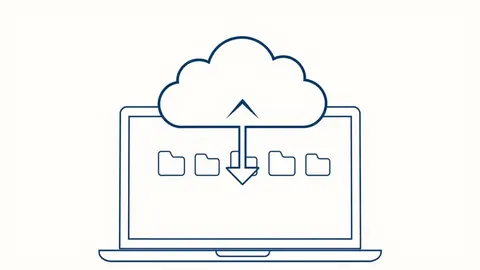
Microsoft 365 Family, Premium and Pro plans will shift from 1TB per user to a shared 2TB pool after May 2027 renewals.
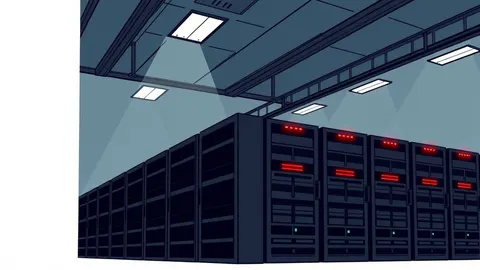
A third facility is now affected by the ongoing infrastructure incident, expanding the scope of the outage for customers relying on Yandex Cloud services across the region.
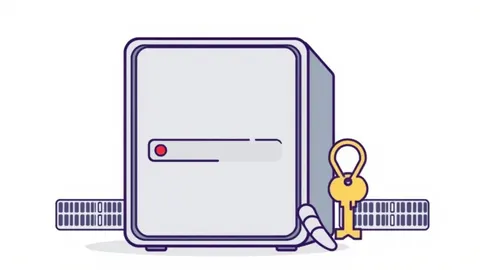
Cloud providers cannot decrypt your data without your key, but they can still block access if you lose control of the key management system.
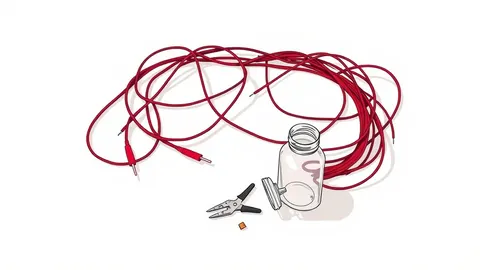
Isolating the control plane prevents lateral movement, but snapshotting the compromised state first preserves evidence for forensic analysis and root cause determination.
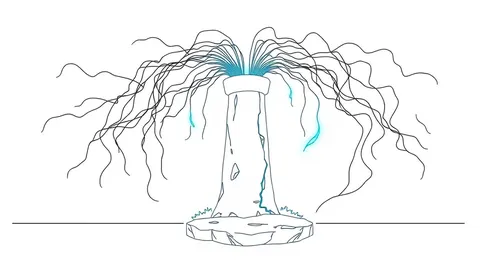
API security failures often hide in silent authentication gaps and overly permissive data endpoints rather than loud intrusion alerts.
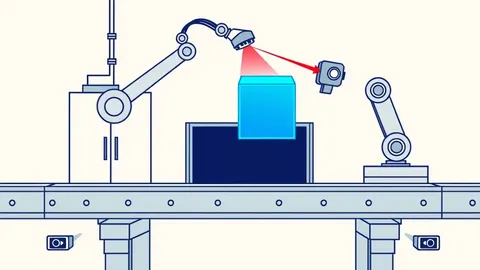
Scanning images after build misses logic flaws, so you must shift security left by enforcing strict base images and signing every artifact before deployment.
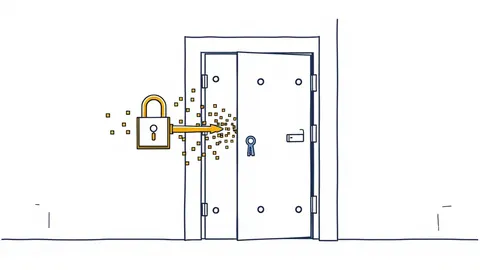
Standing privileges invite shadow IT and silent data exfiltration; just-in-time access removes the key when the door closes, neutralising the risk of dormant accounts.
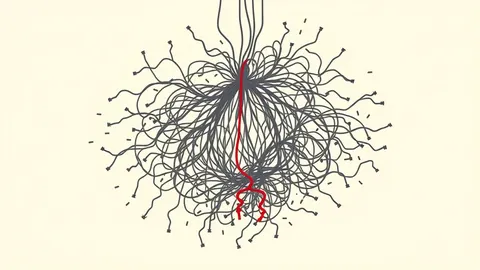
Most teams worsen IAM breaches by disabling logging during containment, creating a permanent blind spot that prevents forensic reconstruction of the attacker’s path.

Unmanaged digital identities accumulate silently, creating hidden entry points that automated systems often fail to detect or revoke.
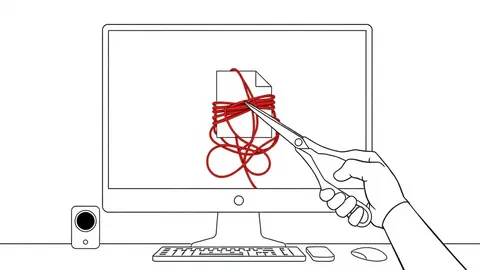
The most dangerous data in a leaked repository is often not the source code itself, but the transient secrets embedded in its history that survive deletion.
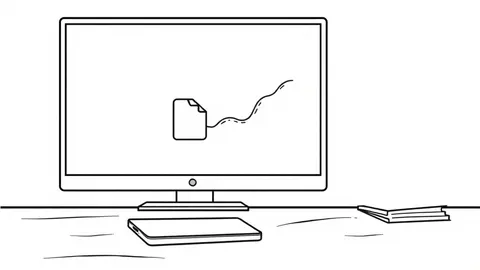
Cloud sync mirrors files in real time, meaning a ransomware infection or accidental deletion wipes the cloud copy instantly, whereas backup retains historical versions.
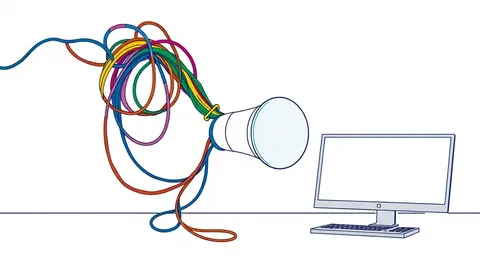
Merging cloud security tools reduces blind spots between code and runtime, turning fragmented alerts into a single, actionable view of risk.

Most container escapes occur not because of code flaws, but because the host kernel grants excessive privileges to a compromised process.
Cloudflare integrates specialised AI agents into its Managed Defense service to provide analysts with grounded, evidence-based security recommendations.