
Data Breaches
Backup Strategy Mistakes: 7 Errors That Cause Data Loss
Organisations lose data not because backups fail to run, but because the recovery process lacks verification and isolation from active threats.
Everything Phish Herald has reported about cloud security: 13 stories, newest first. Part of our Cloud Security coverage.
Organisations lose data not because backups fail to run, but because the recovery process lacks verification and isolation from active threats.
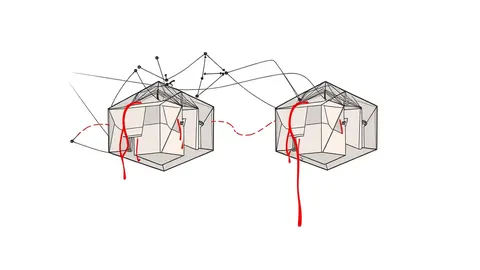
Misconfigured sidecars often expose internal traffic to the internet, turning your service mesh into an unauthorised data exfiltration channel rather than a security boundary.
Public access blocks fail when service accounts bypass user controls, making least-privilege policies the only reliable defence against accidental data exposure.

Most cloud data theft occurs through legitimate user accounts and standard API calls, bypassing traditional perimeter defences entirely.

Least privilege in the cloud fails when teams treat permissions as static assets rather than dynamic, auditable constraints that require continuous verification.

Isolating the control plane prevents lateral movement, but snapshotting the compromised state first preserves evidence for forensic analysis and root cause determination.

Visibility controls do not equal security, and internal permissions often fail when storage moves to public cloud infrastructure without reconfiguration.

API security failures often hide in silent authentication gaps and overly permissive data endpoints rather than loud intrusion alerts.

Most breaches succeed not because of weak firewalls, but because defenders misinterpret how initial access actually bypasses perimeter controls and identity layers.

Unmanaged digital identities accumulate silently, creating hidden entry points that automated systems often fail to detect or revoke.

Cloud sync mirrors files in real time, meaning a ransomware infection or accidental deletion wipes the cloud copy instantly, whereas backup retains historical versions.

Merging cloud security tools reduces blind spots between code and runtime, turning fragmented alerts into a single, actionable view of risk.

Most container escapes occur not because of code flaws, but because the host kernel grants excessive privileges to a compromised process.