Cyber Attacks
Microsoft faces 33% share of brand phishing attempts in Q3 2026
Check Point research shows Microsoft accounted for nearly a third of brand impersonation attempts in the third quarter, significantly outpacing other technology brands.
Cyber Attacks coverage from Phish Herald holds 29 articles, 18 of them reference guides. The newest was published on October 19, 2026. New stories are added as soon as they are confirmed, from more than 150 sources checked as often as every 45 seconds. Each story lists its sources. Primary sources we follow for this section include NIST Cybersecurity Framework and MITRE ATT&CK.
Check Point research shows Microsoft accounted for nearly a third of brand impersonation attempts in the third quarter, significantly outpacing other technology brands.

Alona Katz’s unit seized domains linked to scams that cost Americans over $11 billion last year, according to a Bloomberg profile.
Authorities warn that SideCopy actors are using spear-phishing emails to install remote access tools on Windows systems, risking credential and screenshot theft.

Security teams can now prove fixes hold by chaining Horizon3 attack evidence with Torq workflows to close the remediation loop.
A criminal marketplace sent over one billion scam messages to organisations in more than 150 countries before being dismantled.
DoJ arrests two nationals in Texas raid targeting remote worker scams that used stolen identities to defraud employers.

A Saudi national was charged with intercepting oral communications after concealing a recording device in an OpenAI conference room in San Francisco.

Whaling succeeds not through technical brilliance, but by exploiting the natural deference organisations pay to authority figures and established communication patterns.

Small teams face the same attack surface as giants, yet can secure devices through automated policies rather than hiring dedicated security staff.
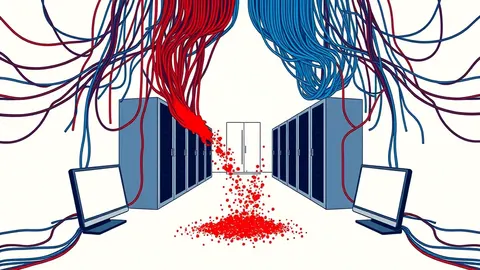
DDoS protection relies on separating legitimate users from attack traffic by analysing behavioural patterns before data reaches your servers.

Unencrypted local network traffic reveals sensitive data to anyone within physical or logical range of your wireless access points.
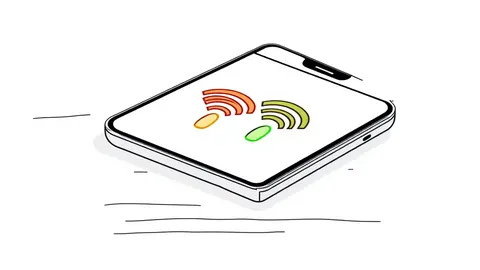
Trusting visual cues like SSID names is the primary failure point, as attackers replicate these identifiers with perfect fidelity to intercept unencrypted traffic.
Anthropic’s model finds a second exploited bug humans might miss, while law enforcement tightens the net on the extortion group.

Surveys reveal mounting pressure on security chiefs, with half contemplating an exit amid rising AI risks and operational strain.
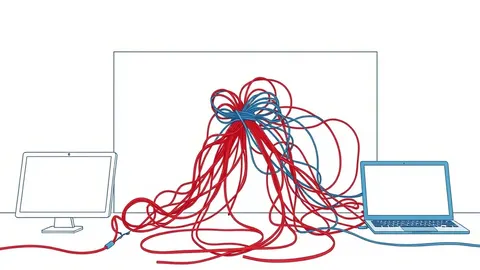
Proper network segmentation ensures that a compromised workstation cannot reach your financial servers, containing the breach within a single logical zone.

Linux creator Linus Torvalds distinguishes between acceptable AI debugging and dangerous vibe coding for kernel development.
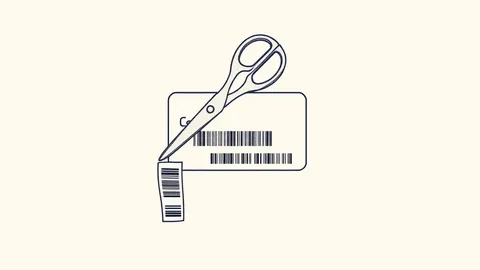
Gift cards function as digital cash for attackers because they combine instant liquidity with near-total anonymity, bypassing traditional financial fraud detection systems.
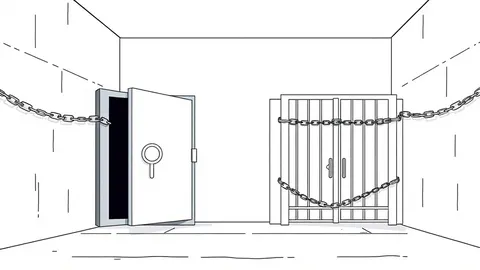
Critical infrastructure sectors faced unprecedented attack volumes last quarter, with finance and education seeing the sharpest rises in claimed incidents.
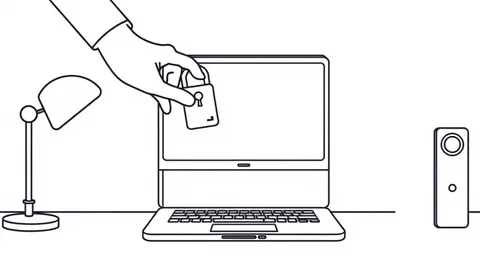
AiTM phishing captures live session tokens rather than passwords, rendering traditional multi-factor authentication largely ineffective against this specific attack vector.
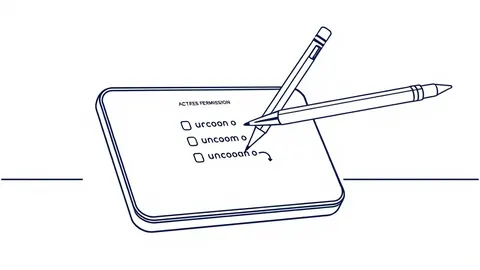
Attackers bypass credential theft by using legitimate authorisation screens to steal access tokens directly from trusted identity providers.

Attackers forge email headers to mimic trusted senders, bypassing basic address checks while hiding the true origin of the message.
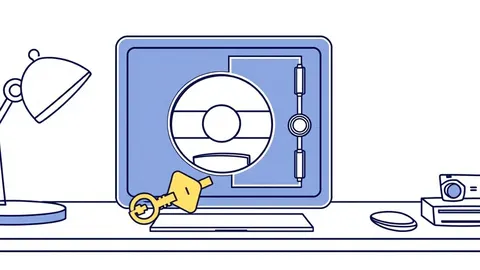
Your password manager does not store your secrets; it stores encrypted data that only your master key can unlock, meaning the vendor cannot recover them if you forget them.

Most detection fails because attackers mimic behaviour, not just addresses, so you must verify context rather than relying on surface-level email headers.
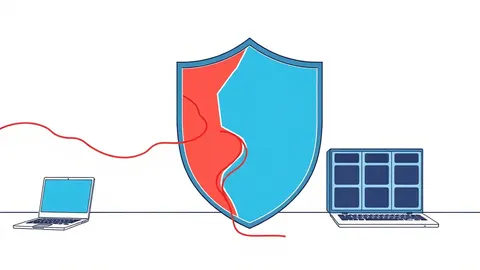
Most breaches succeed not because of weak firewalls, but because defenders misinterpret how initial access actually bypasses perimeter controls and identity layers.