Network segmentation examples: how to isolate threats and limit damage
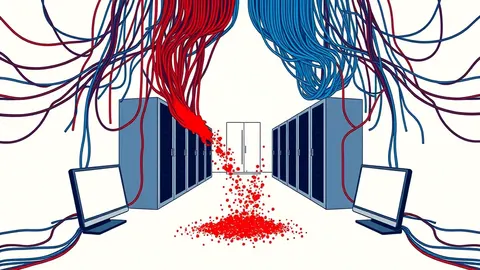
Proper network segmentation ensures that a compromised workstation cannot reach your financial servers, containing the breach within a single logical zone.
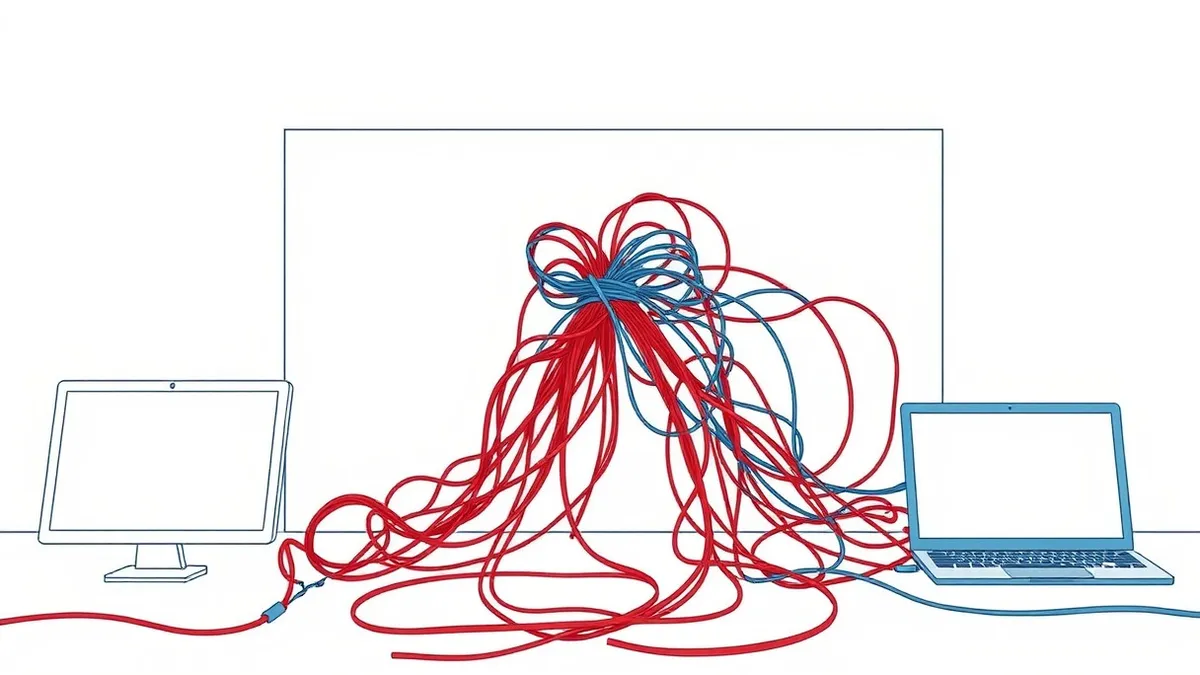
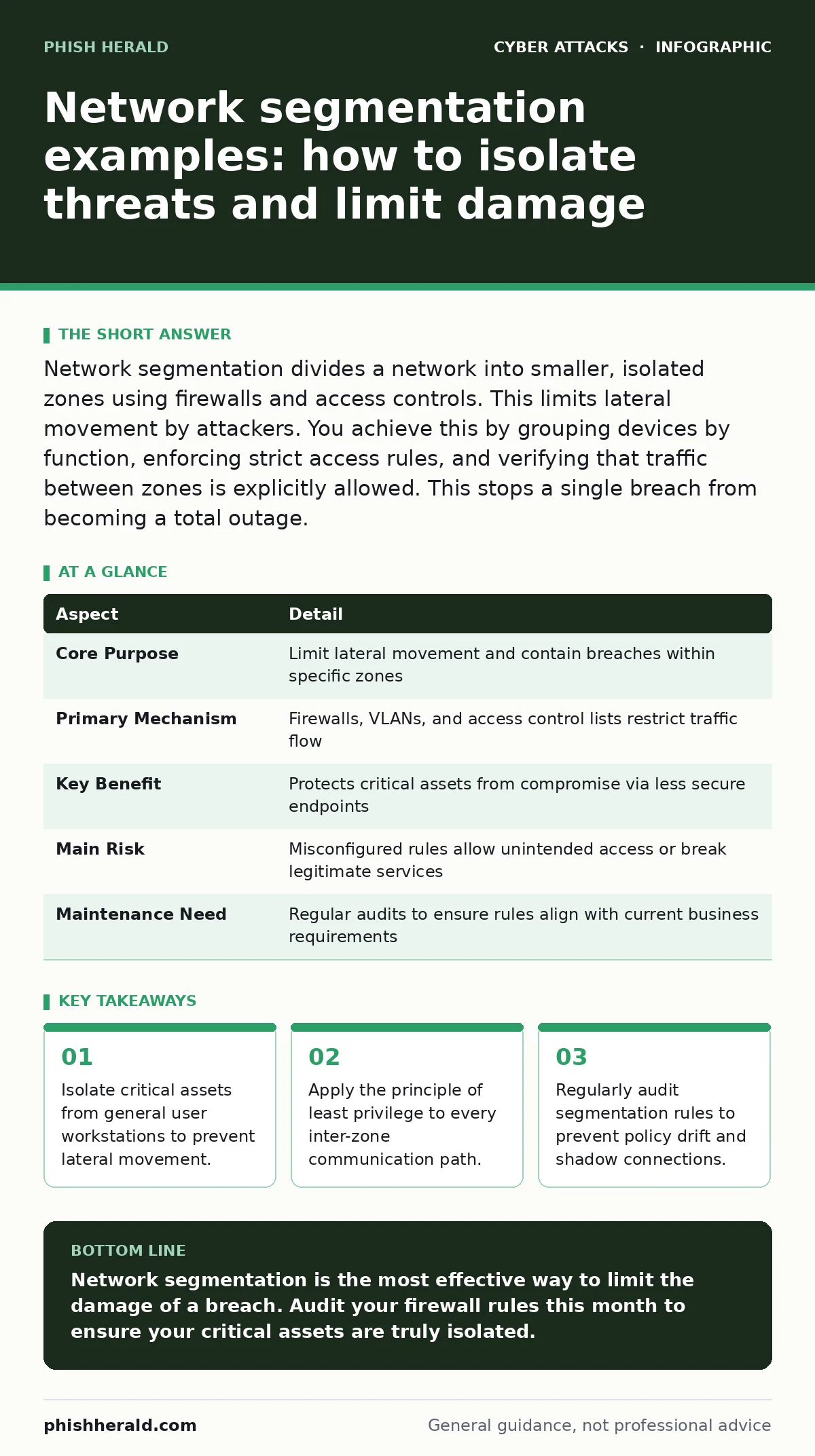
Network segmentation divides a network into smaller, isolated zones using firewalls and access controls. This limits lateral movement by attackers. You achieve this by grouping devices by function, enforcing strict access rules, and verifying that traffic between zones is explicitly allowed. This stops a single breach from becoming a total outage.
Why isolation matters before an incident
Consider a large office building where every door is unlocked and every corridor connects directly to every other room. If a thief enters through a broken window in the lobby, they can walk freely to the vault, the server room, and the executive offices without encountering any resistance. A flat network operates with the same dangerous openness. When you connect every device to the same broadcast domain, a vulnerability on one printer allows an attacker to scan every other connected system.
Network segmentation changes this layout. It installs locked doors and security checkpoints between areas. Even if an attacker breaches the outer perimeter, they remain trapped in the initial zone. This containment buys your team time to detect and respond. It transforms a potential total catastrophe into a manageable incident. You reduce the attack surface available to any single threat actor.
| Aspect | Detail |
|---|---|
| Core Purpose | Limit lateral movement and contain breaches within specific zones |
| Primary Mechanism | Firewalls, VLANs, and access control lists restrict traffic flow |
| Key Benefit | Protects critical assets from compromise via less secure endpoints |
| Main Risk | Misconfigured rules allow unintended access or break legitimate services |
| Maintenance Need | Regular audits to ensure rules align with current business requirements |
Network segmentation examples for common environments
Readers searching for network segmentation examples often seek concrete patterns they can replicate. The most effective approach groups devices by their function and sensitivity level. You create distinct boundaries between these groups. Traffic between groups requires explicit permission. This differs from the default "allow all" mindset of legacy networks.
One standard example separates guest Wi-Fi from corporate resources. Guest devices receive an internet connection only. They cannot reach internal file shares or management interfaces. Another example isolates Internet of Things devices. Smart cameras and thermostats often lack security patches. Placing them in a restricted zone prevents them from being used as pivot points.
A third example involves database isolation. Application servers may need to read data, but end-user workstations should never connect directly to the database. A firewall rule permits only the application server’s IP address to communicate with the database on the required port. This single rule blocks direct exploitation of the database from the general network.
How segmentation controls traffic flow
Segmentation relies on strict filtering of data packets. A firewall examines each packet’s source, destination, and protocol. It compares this information against a rule set. If the packet matches an allow rule, it passes through. If it matches a deny rule, or if no rule matches, it is dropped. This process happens at the boundary between segments.
Virtual LANs often provide the logical grouping. A VLAN assigns devices to a specific broadcast domain regardless of their physical location. You then place a router or a layer-3 switch between these VLANs. This device enforces the access policies. It acts as the gatekeeper. This setup allows you to restructure your network logically without moving physical cables.
Microsegmentation takes this further. It applies policies at the individual workload level. Instead of protecting a whole server rack, you protect each virtual machine or container. This is vital in cloud environments. Traditional perimeter defenses struggle with dynamic cloud architectures. Microsegmentation ensures that each workload trusts only its specific partners.
Who feels the impact of isolation
Developers often resist segmentation initially. They prefer direct access to test environments. Restricting this access can slow down their workflow if not planned carefully. You must balance security with operational efficiency. Provide secure, monitored tunnels for necessary access rather than opening wide ports. This maintains security while allowing work to proceed.
System administrators bear the burden of maintenance. They must define the rules, update them when services change, and troubleshoot connectivity issues. A broken rule can halt business operations. Clear documentation of allowed traffic flows is mandatory. Without it, admins guess at the cause of outages, wasting valuable time during incidents.
End users notice little if the implementation is correct. Their applications continue to work. The difference is invisible. However, they may experience slight latency if traffic must traverse additional inspection points. This delay is usually negligible. The security benefit far outweighs the minor performance cost.
What people usually get wrong
Many organisations implement segmentation but forget to verify it. They assume that because a firewall exists, the zones are secure. This is a false sense of security. Rules may be too permissive. Administrators often create broad "allow" rules to fix urgent connectivity issues. These rules remain in place long after the issue is resolved.
Another common error is treating Wi-Fi as a separate segment without proper enforcement. If the Wi-Fi controller shares a management interface with the corporate LAN, a compromise of one affects the other. Ensure management planes are isolated from data planes. This prevents an attacker from controlling the network infrastructure itself.
See also: How DDoS Protection Works: Traffic Filtering Mechanics and Limits · Eavesdropping Attacks Prevention Checklist for Secure Networks
Maintaining effective boundaries over time
Networks change constantly. New applications are deployed. Servers move. Employees change roles. Static segmentation rules quickly become outdated. This drift creates gaps in your defence. You must automate the verification of your network state. Tools that compare actual traffic against intended policies help identify anomalies.
Regular reviews are non-negotiable. Schedule quarterly audits of your firewall rules. Remove unused rules. Tighten overly broad permissions. This process, known as rule pruning, reduces complexity. It makes your security posture easier to understand and manage. It also reduces the chance of human error during configuration changes.
Consider how business email compromise attempts might bypass technical controls. Even with perfect segmentation, a user with valid credentials can access many zones. Segmentation limits what they can do once inside, but identity management remains critical. Combine network boundaries with strong authentication. This layered approach is far more effective than either method alone.
Integrating with broader defence strategies
Segmentation works best when combined with other controls. It does not replace endpoint protection or user training. It adds a layer of containment. If an eavesdropping attacks occurs on a segment, encryption within that segment protects the data. Segmentation limits the scope of the eavesdropping. It prevents the attacker from moving to other segments to gather more intelligence.
When dealing with cybercrime-as-a-service, attackers often look for easy paths. A well-segmented network presents a maze of closed doors. This increases the effort and noise required for an attack. It raises the likelihood of detection. Your monitoring systems can focus on the boundaries. Anomalies at these choke points are easier to spot than random activity on a flat network.
Remember that account lockout policies protect credentials, not network paths. If an attacker steals a service account password, segmentation prevents them from using it to access unrelated systems. This limits the blast radius of credential theft. It ensures that a single compromised account does not grant kingdom-wide access.
Steps to verify your current setup
- Map your current network topology. Identify all subnets and VLANs.
- List all critical assets. Determine which segments they currently reside in.
- Review firewall rules. Identify any rules that allow "any to any" traffic.
- Test connectivity. Attempt to access critical assets from non-privileged zones.
- Document findings. Create a baseline of allowed traffic flows.
- Plan remediation. Schedule time to tighten rules and isolate assets.
Key takeaways
- Isolate critical assets from general user workstations to prevent lateral movement.
- Apply the principle of least privilege to every inter-zone communication path.
- Regularly audit segmentation rules to prevent policy drift and shadow connections.
Network segmentation is the most effective way to limit the damage of a breach. Audit your firewall rules this month to ensure your critical assets are truly isolated.
Frequently asked questions
Does network segmentation slow down the network?
Properly configured segmentation adds minimal latency. The slight delay from inspection is negligible for most applications. Poor configuration, however, can create bottlenecks.
Can I segment a cloud environment?
Yes, cloud providers offer virtual networks and security groups. You apply the same logic of least privilege. Use microsegmentation for dynamic cloud workloads.
How do I prevent segmentation from breaking applications?
Map application dependencies before implementing rules. Identify all required ports and protocols. Test in a staging environment first. Monitor logs for blocked legitimate traffic.
Is VLAN segmentation enough on its own?
No, VLANs only isolate broadcast domains. You still need a firewall or router to enforce access policies between VLANs. Without this, traffic can still flow freely.
How this guide was produced: written by the Phish Herald editorial team with AI assistance, checked against the public references listed below, and reviewed when the facts change. See our editorial policy or report an error.