
Threat Intelligence
Dark web monitoring services: finding credential leaks before attacks happen
Automated surveillance of hidden forums reveals stolen credentials long before attackers deploy payloads against your network.
Reference guides from the Phish Herald newsroom. They explain the ideas behind the headlines and are reviewed when the facts change.
Automated surveillance of hidden forums reveals stolen credentials long before attackers deploy payloads against your network.

Default installations leak your identity through exit relay sniffing, operational habits, and local OS artifacts rather than cryptographic flaws.
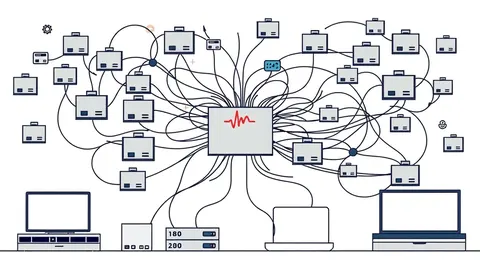
Most supply chain attacks bypass signature checks by exploiting legitimate dependencies, meaning you must monitor for behavioural anomalies rather than just known bad hashes.

Patch prioritisation separates urgent security fixes from routine updates by analysing exploitability and asset exposure, preventing system downtime caused by indiscriminate patching.

Obfuscation does not secure secrets, and build-time injection fails when infrastructure pipelines lack strict isolation controls.

Remote code execution flaws in Apache Struts often bypass perimeter defences because the framework processes malicious data before standard input validation occurs.

Misconfigured split tunnelling and weak certificate validation often expose internal networks far more than the appliance software itself ever could.

Tracking vulnerability remediation fails when teams confuse administrative closure with actual risk reduction, leaving hidden exposures in production systems.

Zero-click exploits bypass user interaction entirely, meaning the first sign is often anomalous system behaviour rather than a visible alert or notification.

Most IOS XE flaws manifest through subtle telemetry anomalies rather than obvious system crashes or immediate network outages, requiring persistent monitoring.

Firmware updates resolve low-level hardware flaws that application patches cannot touch, yet most teams ignore the supply chain risks inherent in binary blobs.

Default GraphQL servers expose your entire schema and allow deep nesting, turning every query into a potential denial-of-service vector before you write a single line of validation code.

Organisations lose data not because backups fail to run, but because the recovery process lacks verification and isolation from active threats.
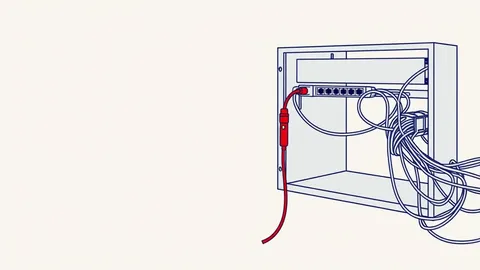
Most data leaks occur because configuration errors leave ports open, not because encryption algorithms fail or hackers break mathematical barriers.
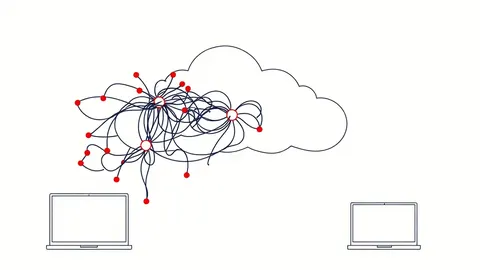
SaaS security shifts responsibility from infrastructure to configuration, meaning most breaches stem from mismanaged permissions rather than software vulnerabilities.
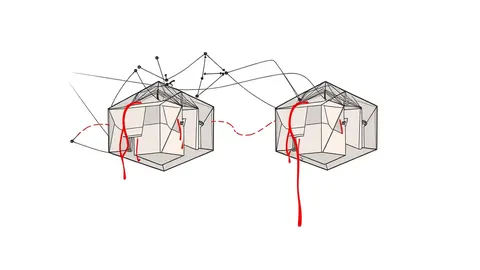
Misconfigured sidecars often expose internal traffic to the internet, turning your service mesh into an unauthorised data exfiltration channel rather than a security boundary.
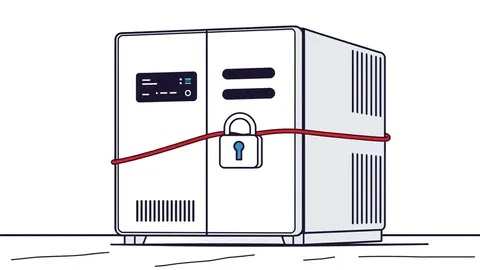
Public access blocks fail when service accounts bypass user controls, making least-privilege policies the only reliable defence against accidental data exposure.

Most cloud data theft occurs through legitimate user accounts and standard API calls, bypassing traditional perimeter defences entirely.

Tracking how attackers behave rather than what tools they use allows teams to detect threats that change their digital fingerprints daily.

Least privilege in the cloud fails when teams treat permissions as static assets rather than dynamic, auditable constraints that require continuous verification.

Automated bots harvest your public data faster than manual attackers, turning your own marketing content into a target for credential stuffing and social engineering.
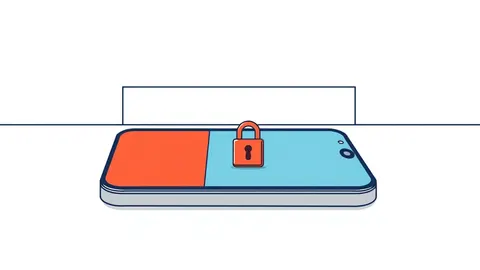
Mobile device management examples reveal that policy enforcement often fails when devices bridge personal and professional data without clear technical boundaries.

Quarantine does not delete files; it encrypts and isolates them in a restricted folder, allowing you to recover data if the detection was a false positive.

Behavioural analysis catches zero-day threats that signature databases miss, offering small teams a scalable defence against evolving malware without heavy infrastructure.