Arm faces royalty pause after jury finds breach of Qualcomm licence
A Delaware jury ruled Arm breached its agreement with Qualcomm, awarding nominal damages but triggering potential five-year royalty withholding.
Key points
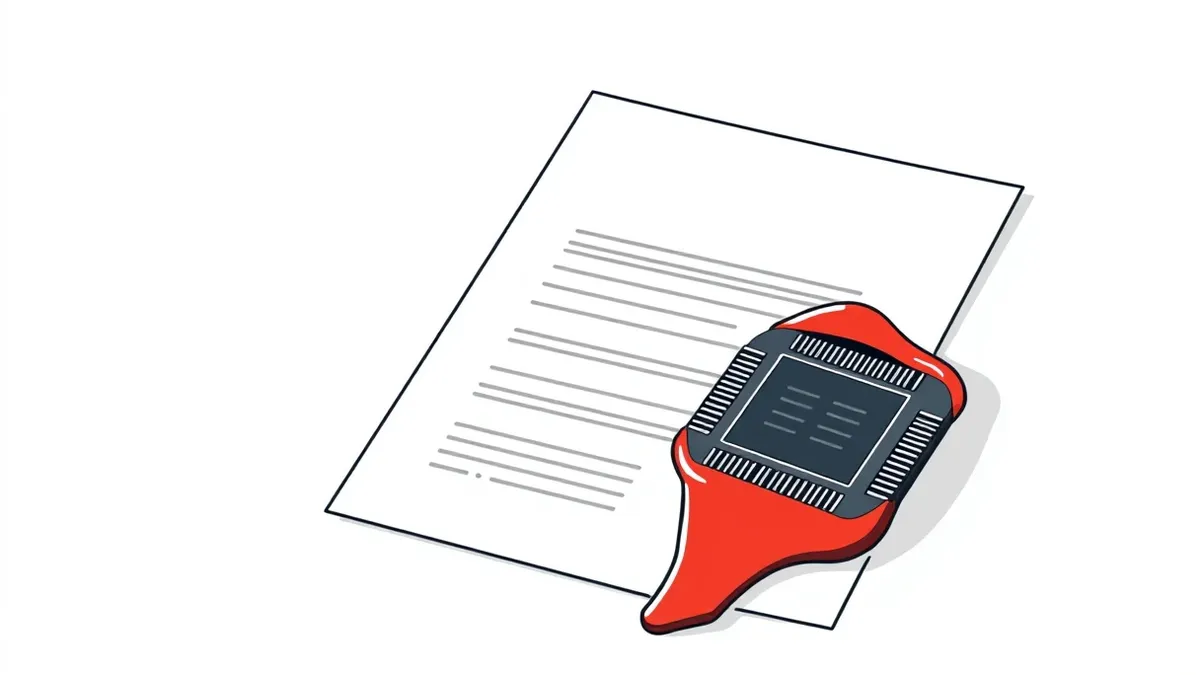
- A federal jury found Arm breached its licensing agreement with Qualcomm and intentionally interfered with Qualcomm’s business with Meta.
- The court awarded Qualcomm only $2 in total damages, reflecting the jury’s view that Arm acted in good faith despite the breach.
- A US judge must now decide if Qualcomm can withhold billions in royalties for five years, a penalty Arm argues is unenforceable.
Organisations relying on Arm-based chip designs are observing a legal dispute that could impact future royalty payments. The conflict between Arm and Qualcomm has moved to a phase where a judge must decide on financial penalties. While this is a legal matter rather than a cybersecurity incident, the outcome affects the companies that build the processors powering servers, smartphones and edge devices.
What exactly did the jury decide?
A federal jury in Delaware reached its verdict on 13 October, finding that Arm breached its Architectural License Agreement with Qualcomm. The jurors determined that Arm failed to provide necessary software patches and tools for its chip designs as required by the contract. Additionally, the jury concluded that Arm intentionally and negligently interfered with Qualcomm’s business relationship with Meta. This interference finding stems from allegations that Arm leaked information to Bloomberg News about Qualcomm’s own licensing breaches, which Qualcomm claimed delayed a deal with Meta in 2024.
Why were the damages so low?
Despite finding against Arm on key claims, the jury awarded Qualcomm only $1 for the breach and $1 for the interference, totalling $2. Arm stated that this nominal award confirms the company operated in good faith under its technology license agreement and confirms the merit of Arm’s arguments in the case. Qualcomm expressed gratification that the jury confirmed the breach and intentional disruption, but the financial compensation is negligible compared to the broader strategic stakes of the litigation.
What are the next legal steps?
US District Judge Maryellen Noreika must now settle several remaining disputes in the next phase of the case. A critical decision involves whether Qualcomm can enforce a clause allowing it to stop paying Arm royalties for five years. This penalty could amount to billions of dollars. Arm argues that courts cannot enforce this five-year withholding provision. The judge must also rule on whether Arm refused to negotiate in good faith regarding the next version of its technology. Reuters reported that the losing side in these decisions would likely appeal.
How does this impact the industry?
The two trials in two years highlight a soured relationship between the chip designers following SoftBank’s takeover of Arm in 2016. Arm has shifted from purely licensing technology to selling its own chips, such as its AGI CPU. Meanwhile, Qualcomm continues to focus on its own products, including Oryon CPUs and Snapdragon chips. The unresolved royalty dispute creates a situation where the losing side in upcoming judicial decisions is expected to appeal, according to Reuters.
What affected people can do
IT managers and procurement teams should review their current hardware contracts for clauses related to intellectual property disputes or supply chain interruptions. While this legal case does not involve data breaches, financial instability in key component suppliers can lead to unexpected price changes or delayed product releases. Organisations should diversify their vendor relationships where possible to mitigate risk from single-source dependencies. Monitor official communications from chip manufacturers for any announcements regarding product roadmaps or licensing changes that might affect long-term support commitments.
What to do and how to stay safe: Arm
- Review existing hardware procurement contracts for force majeure or IP dispute clauses that may trigger supply delays.
- Diversify your semiconductor vendor base to reduce reliance on any single chip architecture or manufacturer.
- Monitor official vendor channels for updates on product roadmaps and long-term support commitments.
- Engage with legal counsel to understand how broader industry licensing disputes might impact your organisation’s technology stack.
Step-by-step guide: Identity Theft Protection: Answers to Critical Security Questions
General security guidance from the Phish Herald newsroom. It is not confirmed advice from the organisations named in this story.
Frequently asked questions
Did Arm steal customer data in this case?
No, the case involves a breach of a technology licensing agreement and business interference, not a data breach or cyberattack.
How much money was Arm ordered to pay?
The jury awarded Qualcomm nominal damages of $2 in total, split between two claims.
Can Qualcomm stop paying royalties to Arm?
A judge must still decide if Qualcomm can enforce a clause allowing it to withhold royalties for five years.