
Data Breaches
Data Scraping Prevention Checklist for Web Assets
Automated bots harvest your public data faster than manual attackers, turning your own marketing content into a target for credential stuffing and social engineering.
Everything Phish Herald has reported about web security: 6 stories, newest first. Part of our Vulnerabilities coverage.
Automated bots harvest your public data faster than manual attackers, turning your own marketing content into a target for credential stuffing and social engineering.
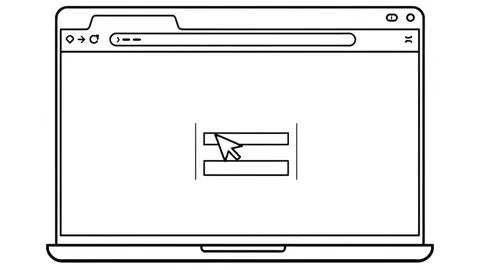
Standard browser protections now block most clickjacking attempts, but legacy interfaces and embedded frames remain vulnerable to user interface redress attacks.

Web application firewalls filter traffic based on signatures, not intent, leaving logic flaws and authenticated attacks largely invisible to standard rule sets.

Open redirects bypass browser security checks by masquerading as trusted domains, allowing attackers to steal session tokens or facilitate phishing campaigns without hosting their own infrastructure.
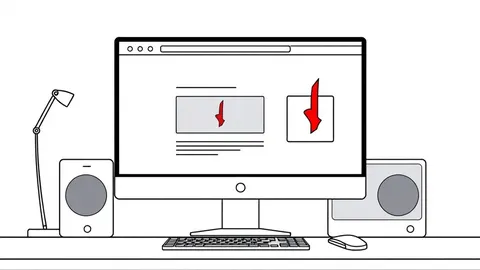
Web cache poisoning allows attackers to serve malicious content to thousands of users by tricking servers into storing and re-serving tampered responses.

Organisations should review the latest Wordfence Intelligence data on WordPress flaws disclosed between 28 September and 4 October 2026.