Threat Intelligence
Indicators of compromise: how to detect hidden threats
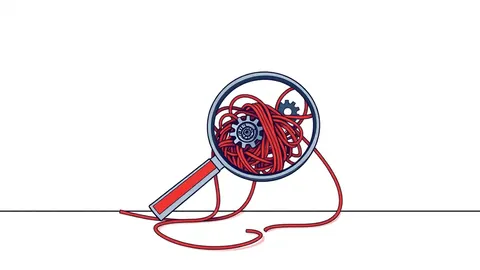
Static indicators of compromise often fail against modern adversaries because they only record what happened, not how the attacker achieved their goal.
Everything Phish Herald has reported about incident response: 8 stories, newest first. Part of our Threat Intelligence coverage.
Static indicators of compromise often fail against modern adversaries because they only record what happened, not how the attacker achieved their goal.
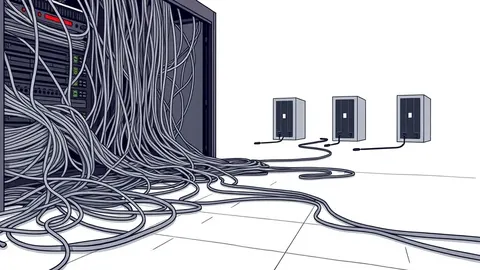
Multi-region failover is a complex engineering discipline, not a simple backup switch, and treating it as such exposes your organisation to silent data loss and compliance breaches.

Isolating the control plane prevents lateral movement, but snapshotting the compromised state first preserves evidence for forensic analysis and root cause determination.
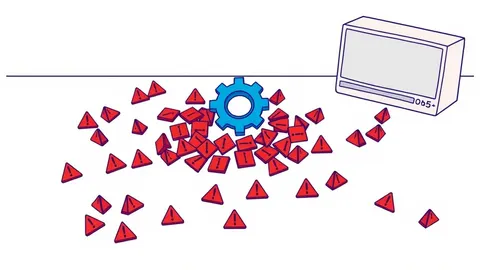
Most alerts fail because analysts check symptoms before verifying the underlying mechanism, wasting hours on noise that masks real compromise.

Incident response reacts to confirmed alerts, while threat hunting proactively searches for hidden adversaries that bypassed existing detection controls.

Network detection tools often miss insider threats because they cannot read encrypted payloads without breaking trust, creating a blind spot in your perimeter.

Static analysis misses the mark when malware sleeps until execution; combining behavioural observation with automated sandboxes reveals the true intent of modern threats.
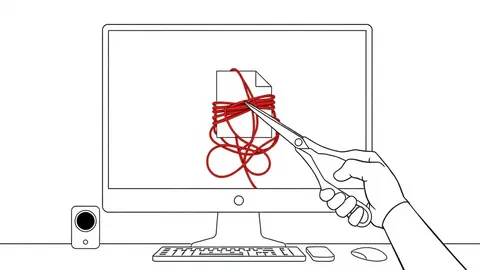
The most dangerous data in a leaked repository is often not the source code itself, but the transient secrets embedded in its history that survive deletion.