Vulnerabilities
Remediation Tracking: Fixing the Six Common Misconceptions
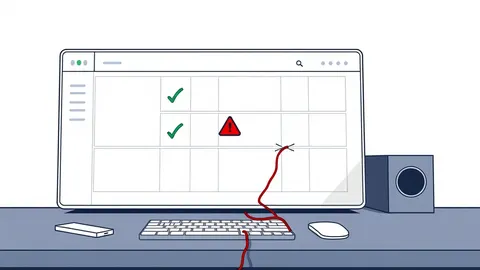
Tracking vulnerability remediation fails when teams confuse administrative closure with actual risk reduction, leaving hidden exposures in production systems.
Everything Phish Herald has reported about security operations: 6 stories, newest first. Part of our Threat Intelligence coverage.
Tracking vulnerability remediation fails when teams confuse administrative closure with actual risk reduction, leaving hidden exposures in production systems.

Tracking how attackers behave rather than what tools they use allows teams to detect threats that change their digital fingerprints daily.

Alert fatigue causes operators to miss genuine threats because the sheer volume of noise desensitises them to critical signals, turning your defence tools into liabilities.
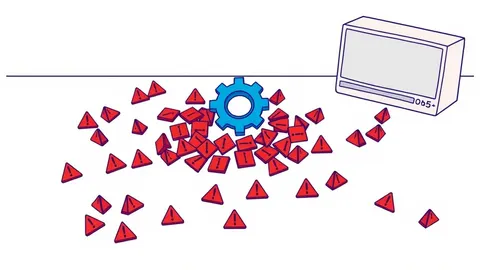
Most alerts fail because analysts check symptoms before verifying the underlying mechanism, wasting hours on noise that masks real compromise.

Most organisations fail at user and entity behaviour analytics because they treat it as a monitoring tool rather than a modelling exercise that requires continuous baseline refinement.

Incident response reacts to confirmed alerts, while threat hunting proactively searches for hidden adversaries that bypassed existing detection controls.