Threat Intelligence
Indicators of compromise: how to detect hidden threats
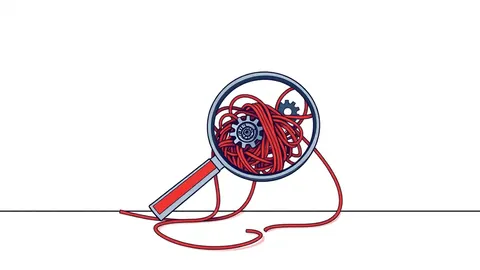
Static indicators of compromise often fail against modern adversaries because they only record what happened, not how the attacker achieved their goal.
Everything Phish Herald has reported about threat detection: 8 stories, newest first. Part of our Threat Intelligence coverage.
Static indicators of compromise often fail against modern adversaries because they only record what happened, not how the attacker achieved their goal.
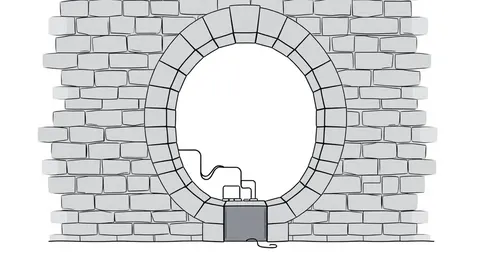
Advanced persistent threats bypass perimeter defences by mimicking legitimate traffic and remaining dormant for months before exfiltrating data.

Alert fatigue causes operators to miss genuine threats because the sheer volume of noise desensitises them to critical signals, turning your defence tools into liabilities.
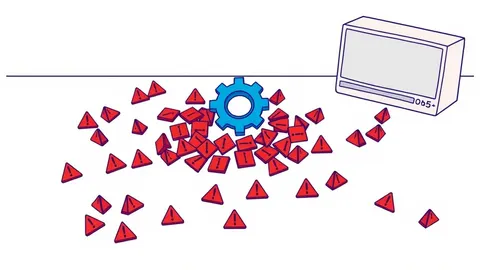
Most alerts fail because analysts check symptoms before verifying the underlying mechanism, wasting hours on noise that masks real compromise.

Most organisations fail at user and entity behaviour analytics because they treat it as a monitoring tool rather than a modelling exercise that requires continuous baseline refinement.
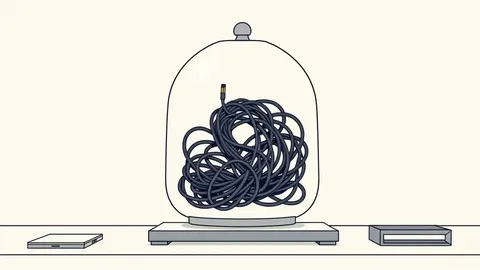
Static analysis fails against modern polymorphic threats, making behavioural observation in isolated environments the only reliable detection method.

Zero-click exploits bypass user interaction entirely, making traditional user training ineffective and requiring continuous automated defence monitoring.

Network detection tools often miss insider threats because they cannot read encrypted payloads without breaking trust, creating a blind spot in your perimeter.