
Cyber Attacks
Spot Business Email Compromise: Hidden Signs and Immediate Response
Most detection fails because attackers mimic behaviour, not just addresses, so you must verify context rather than relying on surface-level email headers.
Most detection fails because attackers mimic behaviour, not just addresses, so you must verify context rather than relying on surface-level email headers.

Proper input validation stops logic errors before they become exploits, reducing the need for expensive perimeter defences later in the development cycle.

Salting prevents pre-computed attacks but fails to stop real-time cracking if the underlying hashing algorithm lacks deliberate computational resistance.

State-sponsored groups often mimic criminal gangs, use standard commercial tools, and target supply chains rather than launching direct, Hollywood-style assaults on your core infrastructure.

The ransom note is rarely just a payment instruction; it often contains embedded metadata that reveals the attacker’s toolchain and operational security gaps.
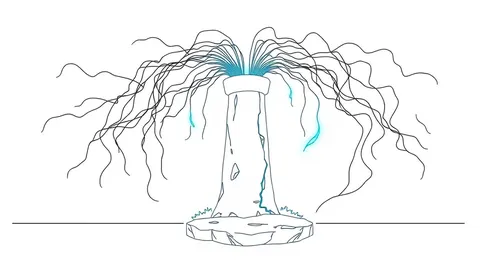
API security failures often hide in silent authentication gaps and overly permissive data endpoints rather than loud intrusion alerts.
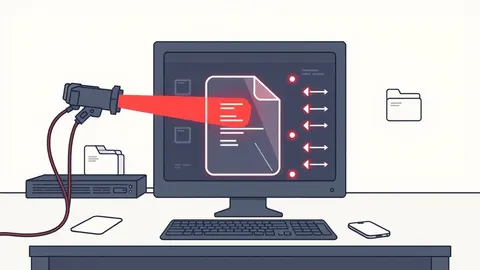
Most organisations monitor only configuration files, leaving the executable code that attackers modify to bypass detection completely unwatched.

Unrestricted file uploads allow attackers to execute code directly on your server, turning a simple document submission into a persistent backdoor that bypasses perimeter defences entirely.

Most breaches succeed not because of weak firewalls, but because defenders misinterpret how initial access actually bypasses perimeter controls and identity layers.

YARA rules provide high-fidelity detection by matching structural patterns in files and memory, but they require constant tuning to avoid performance degradation and alert fatigue.

Scanning images after build misses logic flaws, so you must shift security left by enforcing strict base images and signing every artifact before deployment.

Most protected health information breaches stem from misconfigured access controls rather than external hackers, requiring rigorous internal auditing.
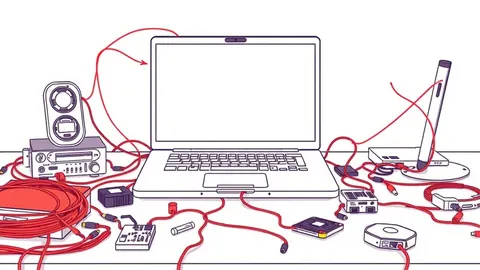
The modular nature of criminal services allows attackers to swap components instantly, making signature-based detection largely ineffective against evolving threats.

Most accidental disclosures fail because human error bypasses automated security controls that assume users act with perfect rationality and intent.

Zero-click exploits bypass user interaction entirely, making traditional user training ineffective and requiring continuous automated defence monitoring.

Full disk encryption protects data at rest but fails to prevent breaches caused by compromised credentials or unencrypted network traffic.
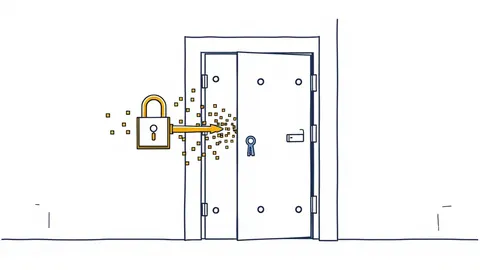
Standing privileges invite shadow IT and silent data exfiltration; just-in-time access removes the key when the door closes, neutralising the risk of dormant accounts.

Most organisations focus on their own perimeter, yet the weakest link is invariably the supplier who holds your keys but not your standards.

Attackers hide malicious scripts inside harmless-looking HTML files, causing your browser to build the malware locally and bypassing traditional security scans.
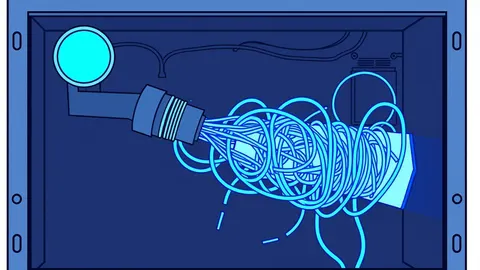
Misinterpreted delimiters can desynchronise proxy queues, allowing attackers to bypass security controls and access data belonging to other users.
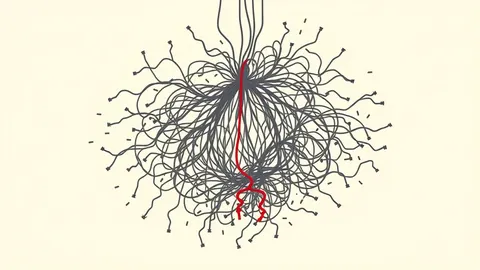
Most teams worsen IAM breaches by disabling logging during containment, creating a permanent blind spot that prevents forensic reconstruction of the attacker’s path.

Network detection tools often miss insider threats because they cannot read encrypted payloads without breaking trust, creating a blind spot in your perimeter.

Static analysis misses the mark when malware sleeps until execution; combining behavioural observation with automated sandboxes reveals the true intent of modern threats.

Updating firmware without verifying cryptographic signatures exposes your infrastructure to persistent root-level compromise that survives standard operating system reinstalls.