Stop Malicious PyPI Packages: Verified Builds and Air-Gapped Caching
Prevent supply chain attacks by isolating build environments and verifying package hashes, blocking threats before they reach production servers.
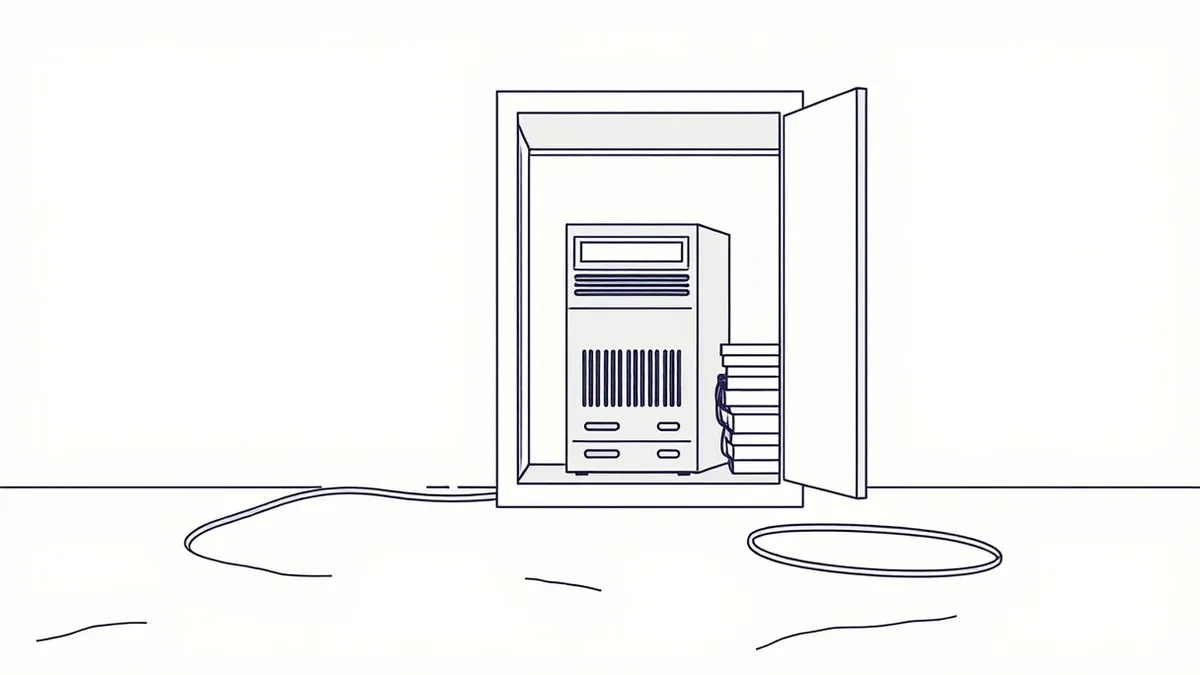
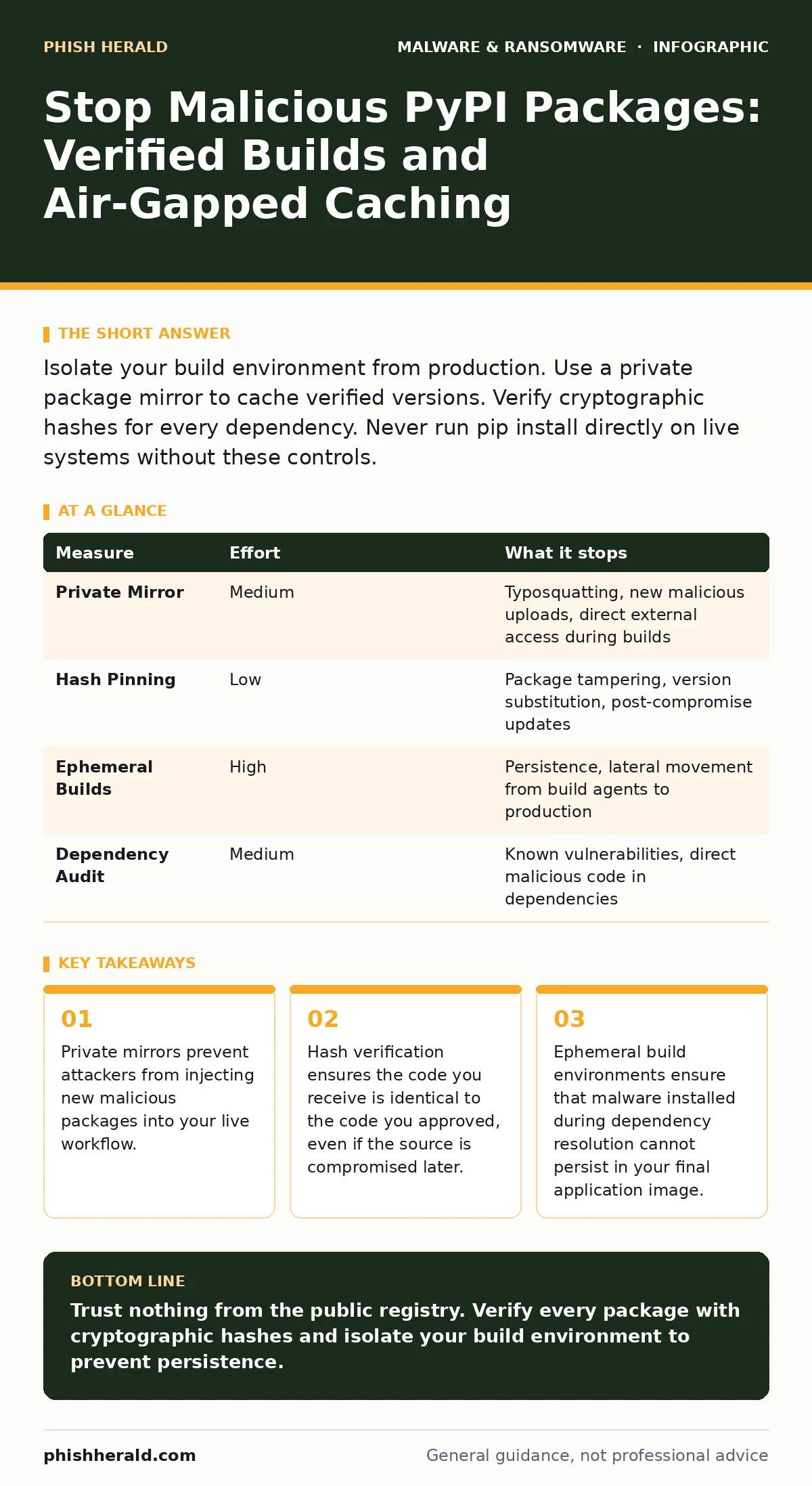
Isolate your build environment from production. Use a private package mirror to cache verified versions. Verify cryptographic hashes for every dependency. Never run pip install directly on live systems without these controls.
The Supply Chain Trap
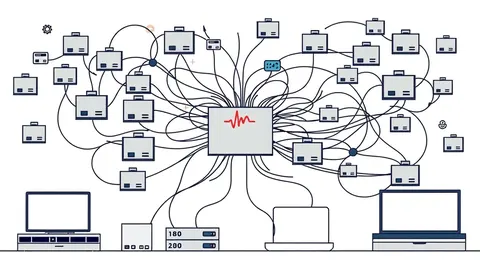
Python’s package ecosystem is open by design. This openness allows rapid innovation but creates a vector for supply chain attacks. Attackers often publish malicious packages with names similar to popular libraries, or they compromise legitimate accounts to push trojanised updates. When your build process pulls these dependencies, the malicious code executes immediately.
It often steals secrets, exfiltrates data, or installs persistence mechanisms. The damage occurs before your application even starts. You must treat every dependency as untrusted input. The default assumption in Python development is that the registry is benign. This assumption is incorrect. You need to verify integrity and control execution context.
Private Mirrors and Caching
The most effective control is to decouple your build environment from the public registry. A private package mirror, such as a local instance of DevPI or Nexus, acts as a proxy. It caches packages from PyPI and serves them to your internal build agents. This creates a barrier. An attacker cannot inject a new malicious package into your workflow unless they compromise your mirror or your network. It also allows you to audit packages before they are promoted to the cache. You review the package, verify its hash, and then allow it through. This stops "typosquatting" attacks where attackers register names like requets instead of requests. Your mirror only serves what you have explicitly allowed.
| Measure | Effort | What it stops |
|---|---|---|
| Private Mirror | Medium | Typosquatting, new malicious uploads, direct external access during builds |
| Hash Pinning | Low | Package tampering, version substitution, post-compromise updates |
| Ephemeral Builds | High | Persistence, lateral movement from build agents to production |
| Dependency Audit | Medium | Known vulnerabilities, direct malicious code in dependencies |
Cryptographic Hash Verification
Relying on version numbers is insufficient. An attacker can replace the content of a specific version number on the public registry. If your system trusts the version number, it will download the malicious code. You must pin dependencies to their cryptographic hash. This means specifying the SHA-256 hash alongside the version number in your requirements file.
When the installer fetches the package, it calculates the hash of the downloaded content. If the hash does not match the one you specified, the installation fails. This ensures bit-for-bit integrity. It prevents an attacker from modifying the package contents even if they control the registry or the network. This is the only way to guarantee that the code you built against is the code you are running.
Ephemeral Build Environments
Build agents often have broad access to internal networks. If a malicious package executes during the build process, it can pivot to other systems. Using ephemeral environments mitigates this risk. These are temporary containers or virtual machines created for a single build. They are destroyed immediately after the build completes.
Any malware installed by a malicious package dies with the environment. This limits the blast radius. It prevents the malware from establishing persistence on long-lived build servers. It also prevents lateral movement. You must ensure the build process produces an immutable artefact, such as a container image, rather than installing dependencies directly on the target host.
Dependency Auditing and Analysis
You should know what your application uses. A dependency tree can contain hundreds of packages. Many are indirect dependencies, pulled in by libraries you explicitly installed. These indirect dependencies are often overlooked. Use automated tools to scan your dependency tree. These tools check against databases of known vulnerabilities and malicious packages. They provide a list of risks associated with each package. Review these reports regularly. Remove unused dependencies. Fewer dependencies mean fewer attack vectors. This practice is known as "dependency pruning". It reduces the surface area of your application. It makes auditing easier and faster.
What Does Not Work
Many organisations rely solely on antivirus software on build servers. This is ineffective against supply chain attacks. Malicious Python packages often execute code that is benign to traditional antivirus signatures. They may only become malicious when specific conditions are met, such as the presence of certain environment variables. Antivirus software scans files at rest. It does not always inspect the execution context of a build process. Relying on this creates a false sense of security. You must focus on integrity verification and access control.
Another common failure is restricting internet access to build servers without a private mirror. This breaks the build process. Developers then find workarounds, such as copying files manually or using personal proxies. These workarounds bypass security controls. They introduce greater risk than the original problem. You must provide a secure, convenient alternative, such as a well-maintained private mirror.
Immediate Action Plan
You must act now to reduce exposure. The Python ecosystem is large and complex. Waiting for a breach is not a strategy. Implementing these controls takes time, but you can start with high-impact, low-effort changes. Focus on visibility first. You cannot protect what you do not know. Map your dependencies. Identify where your build agents connect to the public registry. Then, begin the process of isolation.
- Audit your current build agents for direct access to PyPI.
- Enable hash pinning for your top five critical dependencies.
- Deploy a private package mirror for your development team.
These steps create a foundation. They prevent the most common and damaging attacks. They also establish a culture of verification. This culture is vital for long-term security. You must maintain these controls. Regularly update your hashes. Regularly audit your mirror. Regularly prune your dependencies. Security is a continuous process, not a one-time fix.
Key takeaways
- Private mirrors prevent attackers from injecting new malicious packages into your live workflow.
- Hash verification ensures the code you receive is identical to the code you approved, even if the source is compromised later.
- Ephemeral build environments ensure that malware installed during dependency resolution cannot persist in your final application image.
Trust nothing from the public registry. Verify every package with cryptographic hashes and isolate your build environment to prevent persistence.
Frequently asked questions
Does using a private PyPI mirror stop all supply chain attacks?
No. It stops new malicious packages from entering your workflow, but it does not protect against packages that were already cached or compromised before mirroring. You must still verify hashes.
How do I handle transitive dependencies with hash pinning?
You must pin the hashes of all dependencies, including transitive ones. Tools like pip-compile can generate a fully resolved requirements file with hashes for every package in the dependency tree.
Is it safe to use community-maintained packages?
Community packages carry higher risk. They may have fewer maintainers and less rigorous review processes. Treat them with greater suspicion, verify their hashes, and monitor for unusual activity.
Can I automate hash verification in my CI/CD pipeline?
Yes. Most CI/CD platforms support pip requirements files with hashes. Configure your pipeline to fail if the downloaded package hash does not match the pinned hash in your requirements file.
How this guide was produced: written by the Phish Herald editorial team with AI assistance, checked against the public references listed below, and reviewed when the facts change. See our editorial policy or report an error.