State Bank of India customers face PII exposure risk in data leak incident
Personal details of State Bank of India customers were exposed in a breach, highlighting the dangers of India's active underground data trading market.
Key points
- State Bank of India suffered a data leak involving customer personally identifiable information.
- The incident underscores how small breaches can escalate due to sophisticated underground PII trading.
- No specific technical details or fix status are provided in the current reporting.
Customers of the State Bank of India are facing a risk to their personal security following a reported data leak. The incident involves the exposure of personally identifiable information, which places account holders in a position of concern. This event serves as a reminder for financial institutions and their users that data privacy remains a critical concern in the banking sector, particularly when sensitive customer records are compromised.
What data was exposed in the breach?
The compromised information consists of personally identifiable information belonging to State Bank of India customers. While the specific fields within this dataset are not detailed in the initial report, PII typically includes names, addresses, and potentially financial identifiers. This type of data is highly valuable to threat actors because it can be used to impersonate victims or facilitate further fraudulent activities. The exposure means that affected individuals may find their personal details circulating in unauthorized channels.
Why is this incident considered serious?
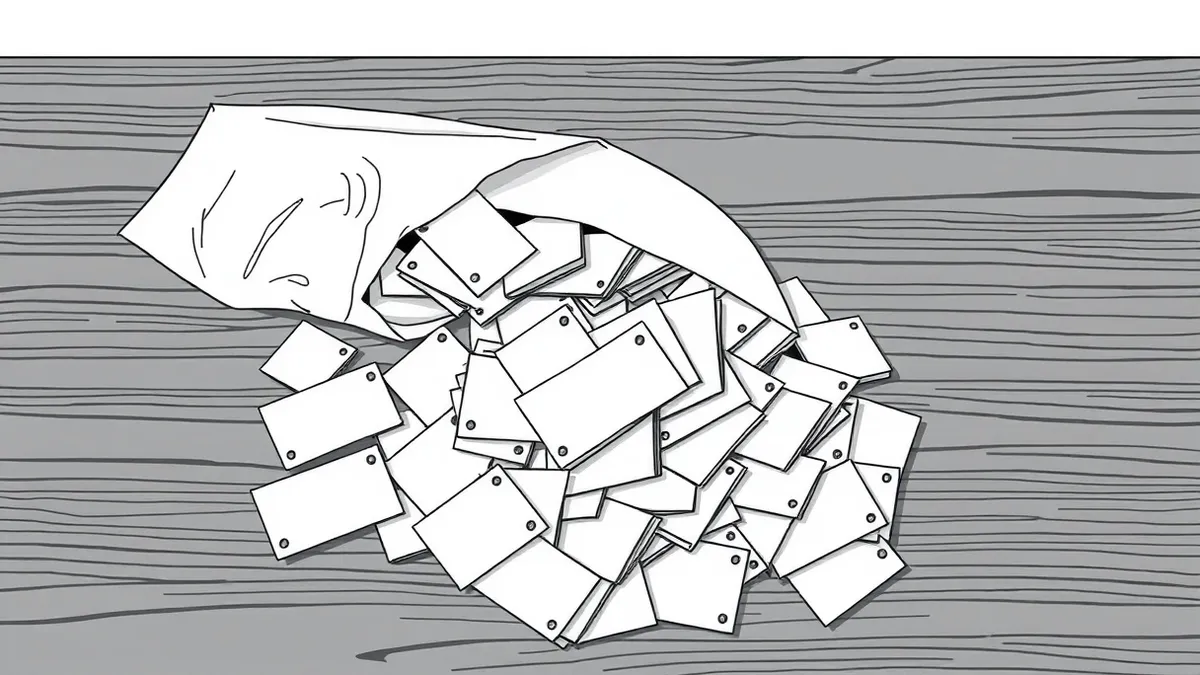
According to Dark Reading, even relatively small data breaches in India can turn quite serious. This severity stems from the existence of a sophisticated underground market dedicated to trading personally identifiable information. The presence of this active black market means that leaked data is not merely discarded but is actively sought after and monetized by criminals. Consequently, the impact on victims can be prolonged and significant, as their data may be resold or used in targeted scams long after the initial breach occurs.
Who is responsible for the leak?
The source material identifies the State Bank of India as the organization that suffered the data leak. No threat actor group or specific individual has been named as responsible for the intrusion in the available reporting. The focus remains on the impact of the breach rather than the attribution of the attack. This lack of attribution is common in early reporting stages, where the priority is confirming the scope of the data exposure rather than identifying the perpetrators.
What does this mean for account holders?
For customers, the exposure of personally identifiable information creates a need for vigilance. The sophisticated nature of the underground market in India suggests that this data could be used for identity theft or social engineering attacks. Account holders should expect potential attempts by fraudsters to exploit this information. The seriousness of the situation is amplified by the ease with which such data can be traded, meaning that the window for potential misuse may remain open for an extended period.
What affected people can do
Affected individuals should monitor their bank statements and credit reports for any unauthorised transactions or inquiries. It is advisable to enable two-factor authentication on all financial accounts to add an extra layer of security. Users should be wary of unsolicited communications claiming to be from the bank, as scammers often use leaked data to create convincing phishing attempts. Changing passwords regularly and ensuring that contact details are up to date can help mitigate the risk of further exploitation.
What to do and how to stay safe: State Bank of India
- Review recent bank statements and credit reports for any unauthorised activity or new accounts opened in your name.
- Enable multi-factor authentication on all online banking and financial service accounts to prevent unauthorised access.
- Be cautious of phishing emails or calls that reference personal details, as these may be attempts to exploit the leaked data.
- Update passwords for all related accounts, ensuring they are unique and complex, to reduce the risk of credential stuffing attacks.
Step-by-step guide: Identity Theft Protection: Answers to Critical Security Questions
General security guidance from the Phish Herald newsroom. It is not confirmed advice from the organisations named in this story.
Frequently asked questions
Which bank was affected by the data leak?
The State Bank of India suffered a data leak involving customer personally identifiable information.
What kind of data was exposed?
The breach involved personally identifiable information (PII) belonging to State Bank of India customers.
Why is this breach considered significant?
According to Dark Reading, small breaches in India can become serious due to a sophisticated underground market for trading PII.